
Photo Formats
In this article :
In the dynamic and competitive world of photography, every image plays a crucial role. It serves as a window into a brand’s identity, a storytelling vehicle, and an invitation to explore the universe of a product or service. One of the key decisions shaping the success of an image is the choice of photo formats. This choice goes beyond mere size or dimensions, it also determines how the message will be conveyed, the reaction it will evoke from the audience, and its suitability for various distribution channels.
Ready to dive, quickly, into the fascinating world of advertising photography formats?

What is a Photo Format?
In photography, the term “format” generally refers to the ratio between the height and width of an image or photo. It indicates how the dimensions of the image are proportioned. Image formats can vary depending on how the photo was taken, the camera used, and the photographer’s preferences.
The Most Common Photography Formats
- 3:2 Format: This format is widely used in traditional photography and is often associated with digital SLR cameras. It has a ratio of 3 units of width to 2 units of height. For example, a 6×4 inch image is in the 3:2 format.
- 4:3 Format: This format is commonly used in compact cameras, smartphones, and mirrorless cameras. It has a ratio of 4 units of width to 3 units of height. For instance, 8×6 inch images have a 4:3 ratio.
- Square Format (1:1): This format has an equal ratio of height to width, meaning each side of the image is the same length. Square formats are often used to create an artistic or vintage effect in photography.
- Panoramic Format (16:9 or 16:10): These formats are wider than standard formats and are often used to capture landscapes or expansive scenes. The 16:9 format is commonly used in HD video, while the 16:10 format is sometimes used for computer screens.
The choice of format generally depends on the photographer’s objective and the composition of the image. Some formats are better suited for specific situations or artistic styles. The format can influence how an image is perceived and interpreted by the viewer.
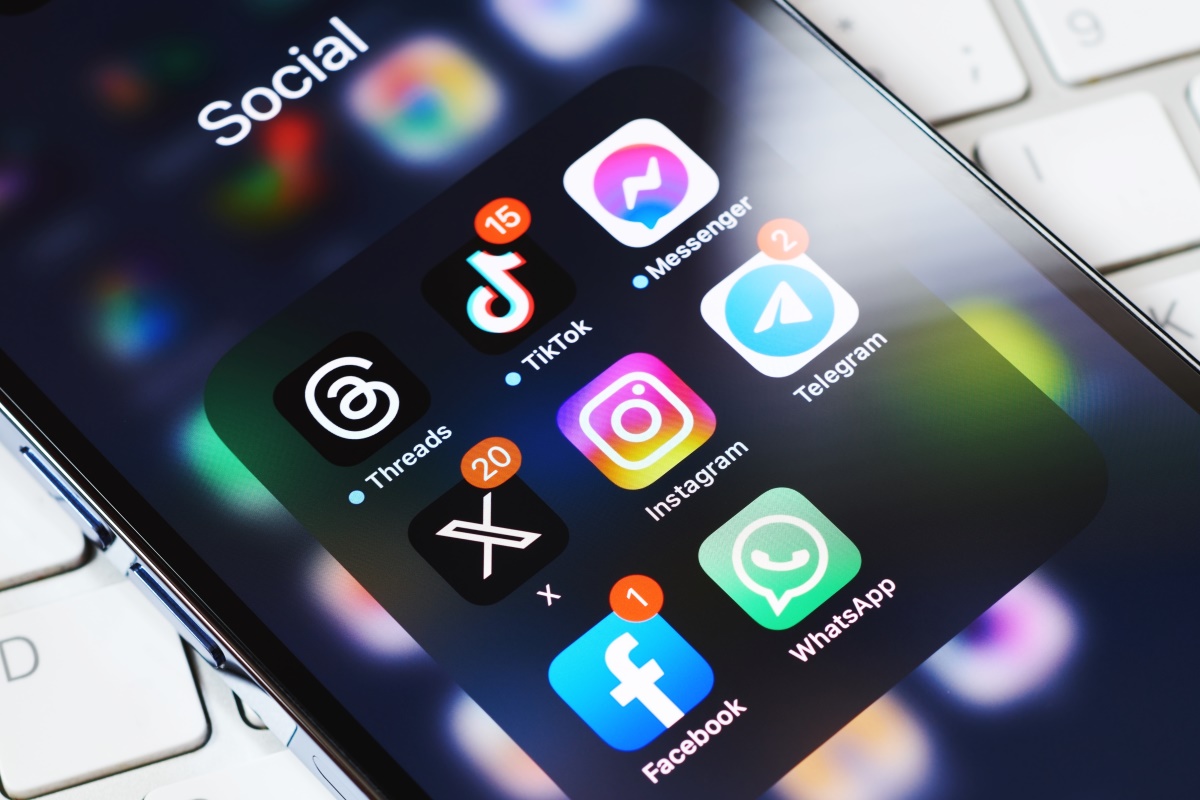
Special Photo Formats: Social Media
Image formats on social media vary by platform, and knowing them is essential to ensure your visuals appear optimally on each network. Here are some commonly used image formats for major social media platforms in 2021 (note that these formats may change over time):
1. Facebook:
- Profile Image: 170 x 170 pixels (square format)
- Cover Image: 820 x 312 pixels (landscape format)
- Shared Image: 1200 x 630 pixels (landscape format)
- Event Image: 1920 x 1080 pixels (landscape format)
2. Instagram:
- Profile Image: 110 x 110 pixels (square format)
- Feed Image: 1080 x 1080 pixels (square format) or 1080 x 1350 pixels (portrait format)
- Story Image: 1080 x 1920 pixels (portrait format)
3. Twitter:
- Profile Image: 400 x 400 pixels (square format)
- Header Image: 1500 x 500 pixels (landscape format)
- Shared Image: 1200 x 675 pixels (landscape format)
4. LinkedIn:
- Profile Image: 400 x 400 pixels (square format)
- Cover Image: 1584 x 396 pixels (landscape format)
- Shared Image: 1200 x 627 pixels (landscape format)
5. Pinterest:
- Profile Image: 165 x 165 pixels (square format)
- Standard Pins: 1000 x 1500 pixels (portrait format)
- Carousel Pins: 1000 x 1500 pixels (portrait format)
- Video Pins: 1000 x 1500 pixels (portrait format)
6. TikTok:
- Profile Image: 200 x 200 pixels (square format)
- Videos: 1080 x 1920 pixels (portrait format)
7. YouTube:
- Profile Image: 800 x 800 pixels
- Channel Cover Image: 2560 x 1440 pixels (landscape format)
These dimensions are important to optimize the visibility and quality of your images on social media. It is also crucial to consider each platform’s specifications for videos, stories, and other visual content. Be sure to check platform guidelines regularly, as they can change over time.
Conclusion on Photo Formats
Understanding different image formats, whether in photography or social media, is essential to ensure the quality and impact of your visuals. Each photo format has its own characteristics, advantages, and limitations, and choosing the appropriate format depends on your specific project.
Photography and visual content creation are indispensable in today’s business and communication landscape. However, navigating the diversity of formats can be complex, especially for projects with specific requirements.
This is why working with a professional photographer or graphic designer can be extremely beneficial. An expert can not only advise on the most suitable format for your project but also help capture the essence of your brand effectively and convincingly.
Whatever your project, if you have questions about formats, we’re here to help! Contact us!
Jérémy Carlo is the editorial director at Rétines, where he ensures the consistency and clarity of all content produced by the studio.

Our Clients


Let’s discuss
What we do for you at Rétines
Meticulous work, an organised project and fast delivery. And to achieve this, we mobilise the right resources in our teams at the right time.
01
Pre-production
Artistic and technical direction tailored to the project.
Relevant recommendations on content, form and resources.
02
Photo Shooting
Photos taken by our experienced photographers.
Production that’s controlled, efficient and tailored to the needs of the project, with nothing superfluous.
03
Retouching
Technique
Photographs magnified by our retouching team.
Post-production to meet the commercial challenges of the brief.